




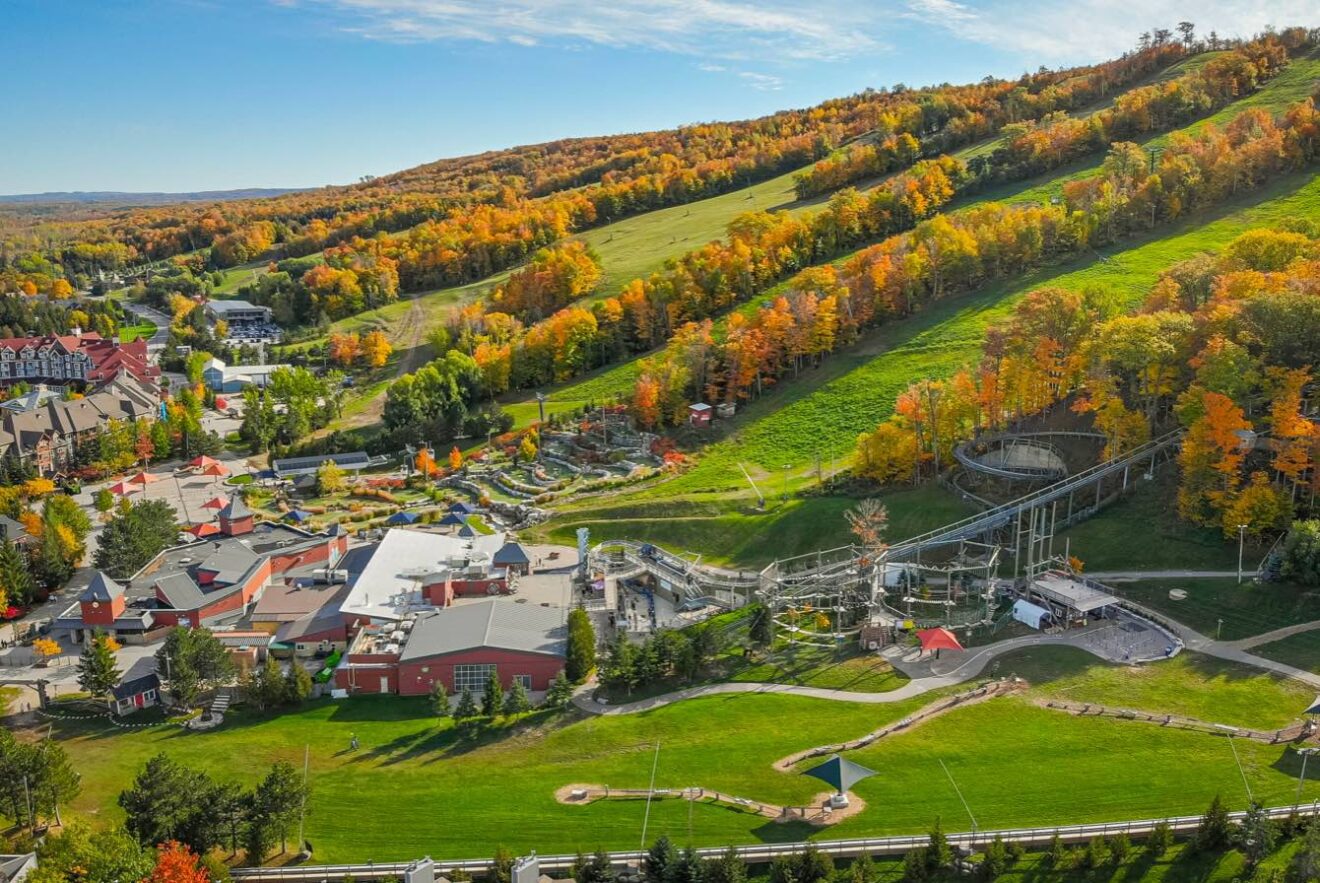
Thinking about moving to Collingwood, Ontario? Whether you’re relocating from the Greater Toronto Area, searching for a four-season lifestyle, planning retirement or looking for a recreational property near Georgian Bay, choosing the right home starts with understanding the community.
Collingwood offers a distinctive combination of waterfront living, a historic downtown, outdoor recreation and access to the wider Southern Georgian Bay region. But not every neighbourhood, property type or ownership arrangement offers the same experience.
As you explore the local market, it’s important to look beyond the listing photos and purchase price. Neighbourhood character, property condition, ongoing costs, accessibility and how you plan to use your home can all influence your decision.
Here’s what to know before buying a home in Collingwood in 2026.
1. What is it like to live in Collingwood, Ontario?
Collingwood is located on the southern shore of Georgian Bay in Ontario. The Town describes itself as a four-season recreation community, with natural amenities, local heritage and an active downtown. Its parks, trails, harbour and recreation facilities contribute to its appeal.
For prospective residents, that means there’s more to consider than the property itself.
You might be looking for a home close to downtown restaurants and shops, a quieter residential street, convenient access to recreational facilities or a base for skiing, cycling, hiking and time on the water.
The right choice depends on how you expect to spend your time and which amenities matter most to you.
Before purchasing, visit the area at different times of day and, where possible, in different seasons. A neighbourhood can feel very different during a busy winter weekend than it does on a quiet weekday.
2. Which neighbourhoods should you consider?
One of the most common questions buyers ask is where they should live in Collingwood. There’s no universal answer: the best neighbourhood is the one that fits your priorities and budget.
Downtown Collingwood
Downtown may appeal to people who value access to independent shops, restaurants, services and community activities. When comparing homes here, consider parking, building condition, walkability, traffic and the character of the surrounding streets.
Established residential neighbourhoods
Established areas offer a variety of property styles, lot sizes and streetscapes. Buyers should compare individual properties carefully, paying attention to renovation quality, roof and mechanical-system ages, parking, landscaping and future maintenance.
Newer residential communities
Newer developments can offer contemporary layouts and different options for families, downsizers and other buyers. Communities such as Mountaincroft and Georgian Meadows are worth researching if their locations and housing styles match your needs.
Compare actual properties rather than assuming all homes in a development have the same features, construction quality or resale prospects.
Condominiums and recreational communities
Condominium ownership can suit buyers seeking a different maintenance arrangement or a recreational property. Communities such as Lighthouse Point are among the options buyers may wish to investigate.
Before purchasing a condominium, review its fees, reserve fund, insurance arrangements, status certificate, meeting minutes and governing documents. Understand which amenities are included, which costs may change and whether restrictions affect your intended use.
3. Should you buy in Collingwood or The Blue Mountains?
Collingwood and The Blue Mountains are neighbouring markets, but the experience of owning a home in each can differ.
Collingwood may be a natural starting point for buyers prioritizing town services, residential neighbourhoods and everyday amenities.
The Blue Mountains may be particularly appealing to people interested in ski-area access, recreational properties and communities such as Thornbury and Craigleith.
Rather than choosing based on reputation alone, compare:
- Purchase prices for similar property types.
- Property taxes, insurance and utility costs.
- Condominium fees and potential assessments.
- Access to shops, schools, recreation and healthcare.
- Seasonal traffic and travel times.
- Maintenance requirements and expected future expenses.
- Rental permissions if you plan to generate income from the property.
A property that looks less expensive initially may not be the less expensive option to own over five or ten years.
4. What types of homes are available in Collingwood?
Buyers can investigate a range of property types, including detached houses, semi-detached homes, townhomes, condominiums, bungalows, luxury properties and homes with larger yards or garages.
There are also opportunities to investigate new construction and properties in developing communities, subject to current availability.
Your search should reflect your actual needs rather than just the number of bedrooms or the advertised price.
For example, a family may prioritize a usable yard, storage and convenient access to everyday services. Someone planning to downsize may prefer fewer stairs and lower maintenance requirements. A recreational buyer may place greater value on proximity to outdoor activities.
Consider how the property will work for you today and whether it will continue to suit you if your circumstances change.
5. What does it cost to own a home in Collingwood?
Your purchase budget is only the beginning of the financial picture.
Upfront expenses
Allow for the down payment, legal fees, applicable Ontario land transfer tax, inspection costs, moving expenses and any immediate repairs or upgrades.
Depending on the property and transaction, additional due diligence or financing costs may apply.
Ongoing expenses
Your monthly and annual budget should account for:
- Mortgage payments and interest.
- Property taxes.
- Home insurance.
- Heating, electricity, water and other utilities.
- Routine maintenance and major repairs.
- Condominium fees, where applicable.
- Seasonal maintenance and recreational-property expenses, where relevant.
For a condominium, review the current fee and the building’s financial documents rather than assuming the fee will remain unchanged.
For a detached home, consider the condition and remaining useful life of major components such as the roof, windows, heating equipment and exterior finishes.
A realistic ownership budget should include money for unexpected expenses, not just the bills you know about today.
6. Is buying a vacation property near Blue Mountain a good idea?
For some buyers, a recreational property offers a place to spend weekends and holidays while potentially generating rental income. However, a vacation property should be assessed as a financial commitment, not simply as an attractive lifestyle purchase.
Before relying on rental income, investigate the rules governing the specific property. Municipal requirements, zoning, condominium declarations, community rules, insurance conditions and lender requirements may all affect how you can use it.
Prepare a conservative financial projection that includes:
- Mortgage and financing costs.
- Property taxes and insurance.
- Condominium or community fees.
- Utilities, repairs and replacements.
- Cleaning and property management.
- Vacancy and seasonal demand.
- Applicable taxes and licensing expenses.
Do not assume that a property can be rented on a short-term basis just because other nearby properties advertise rentals.
Confirm eligibility and operating requirements before making an offer based on projected income.
7. How should you evaluate the Collingwood real estate market?
A headline about the average home price rarely tells the complete story.
Market conditions can differ between detached houses, townhomes, condominiums, luxury properties and recreational real estate. They can also differ between neighbourhoods and even between properties on the same street.
Before making an offer, review recent comparable sales, current competing listings, new listings, days on market, sale-to-list-price ratios and the amount of available inventory.
For sellers, the same information helps establish a realistic asking price and a marketing strategy suited to current competition.
For buyers, it can help determine whether a property is priced appropriately and what negotiation approach may be reasonable.
Use data from a consistent reporting period and compare like with like. A change in average price may reflect the mix of properties sold rather than a uniform increase or decrease in every home’s value.
8. What should you know about Collingwood’s future growth?
Municipal planning and infrastructure are important considerations when deciding where to buy.
Collingwood’s 2026 budget includes investments in water and wastewater infrastructure, road improvements, parks and other community facilities. The Town’s planning resources also include its Official Plan and Downtown Master Plan.
These documents can help buyers understand planning priorities and the framework guiding future development.
However, a proposed project, an approved plan and a completed facility are three different things. Before purchasing near a development site or relying on an expected amenity, confirm the project’s current status, timing and potential effects directly with the municipality.
Future growth may influence a community, but it does not guarantee a particular property’s appreciation or resale value.
9. What makes Southern Georgian Bay worth exploring?
If you’re considering Collingwood, it can also be useful to explore the wider Southern Georgian Bay region.
Depending on your needs, you may wish to compare The Blue Mountains, Wasaga Beach, Clearview Township, Meaford and Grey Highlands.
Each area offers a different combination of housing options, amenities, community character and access to recreation.
A buyer interested in a walkable town setting may have different priorities from someone seeking acreage, a rural home, a recreational condominium or a property closer to the waterfront.
Comparing several communities can reveal options you might not have considered if your search began with a single postal code.
10. A practical checklist before buying
Before committing to a home in Collingwood, work through these questions:
- Does the property fit my purchase budget and long-term ownership budget?
- Have I compared recent sales of similar properties?
- Does the neighbourhood suit my daily routine?
- Have I investigated property condition and likely future repairs?
- Do I understand the taxes, fees and other recurring costs?
- Have I reviewed the necessary legal and condominium documents?
- If I intend to rent the property, have I confirmed that my intended use is permitted?
- Have I considered seasonal conditions and how I will use the property throughout the year?
- Have I investigated relevant planning and development information?
- Have I obtained appropriate financing, legal and inspection advice?
These steps can help you make a more informed decision and reduce the risk of overlooking an important cost or restriction.
Frequently asked questions about moving to Collingwood
Is Collingwood a good place to live?
Collingwood may suit people who value a smaller-town setting, a waterfront environment, local amenities and access to year-round recreation. Whether it suits you depends on your lifestyle, housing budget and priorities.
Is Collingwood more affordable than The Blue Mountains?
Affordability varies by property type, location, condition and proximity to recreational amenities. Compare recent sales and the complete cost of ownership rather than relying on a single community-wide average.
Are there condos for sale in Collingwood?
Condominiums are part of the local housing market, although availability changes. Compare current listings alongside fees, financial documents, restrictions and the building’s maintenance needs.
Can I rent out my property in Collingwood?
That depends on the property’s location, permitted use, applicable municipal requirements and any condominium or community restrictions. Verify the rules before buying with rental income in mind.
How do I find out what my Collingwood home is worth?
A property-specific assessment should consider recent comparable sales, current competition, condition, location, features and prevailing market conditions. A broad average price is not a substitute for a detailed valuation.
Should I buy a home in Collingwood now or wait?
There is no universal answer. Your decision should reflect your finances, intended length of ownership, available properties and the current conditions in your particular market segment.
Thinking about buying or selling in Collingwood?
At Keleher + Co. Real Estate, we believe informed decisions begin with understanding both the property and the community around it.
Whether you’re moving to Collingwood, comparing The Blue Mountains with neighbouring communities, exploring a recreational property or preparing to sell your home, local knowledge can help you ask better questions and evaluate your options.