

Collingwood, Ontario | Reviewed November 5, 2026
Lighthouse Point combines a Georgian Bay waterfront setting with condominium living and an extensive recreation offering. If you’re looking for a full-time home, a four-season retreat or a place to downsize, it’s a community worth getting to know. The important next step is choosing the right condo within it—not assuming every property offers the same layout, costs or access rights. [1]
A pool, a waterfront walk and a marina can all be appealing. But before you decide that a home here fits your plans, you need to understand what its condo fee covers, what remains yours to pay and what actually comes with the purchase.
This Lighthouse Point Collingwood buyer guide walks you through those questions, with property-specific fee examples and practical things to notice when you tour.
Where is Lighthouse Point, and what is the setting like?
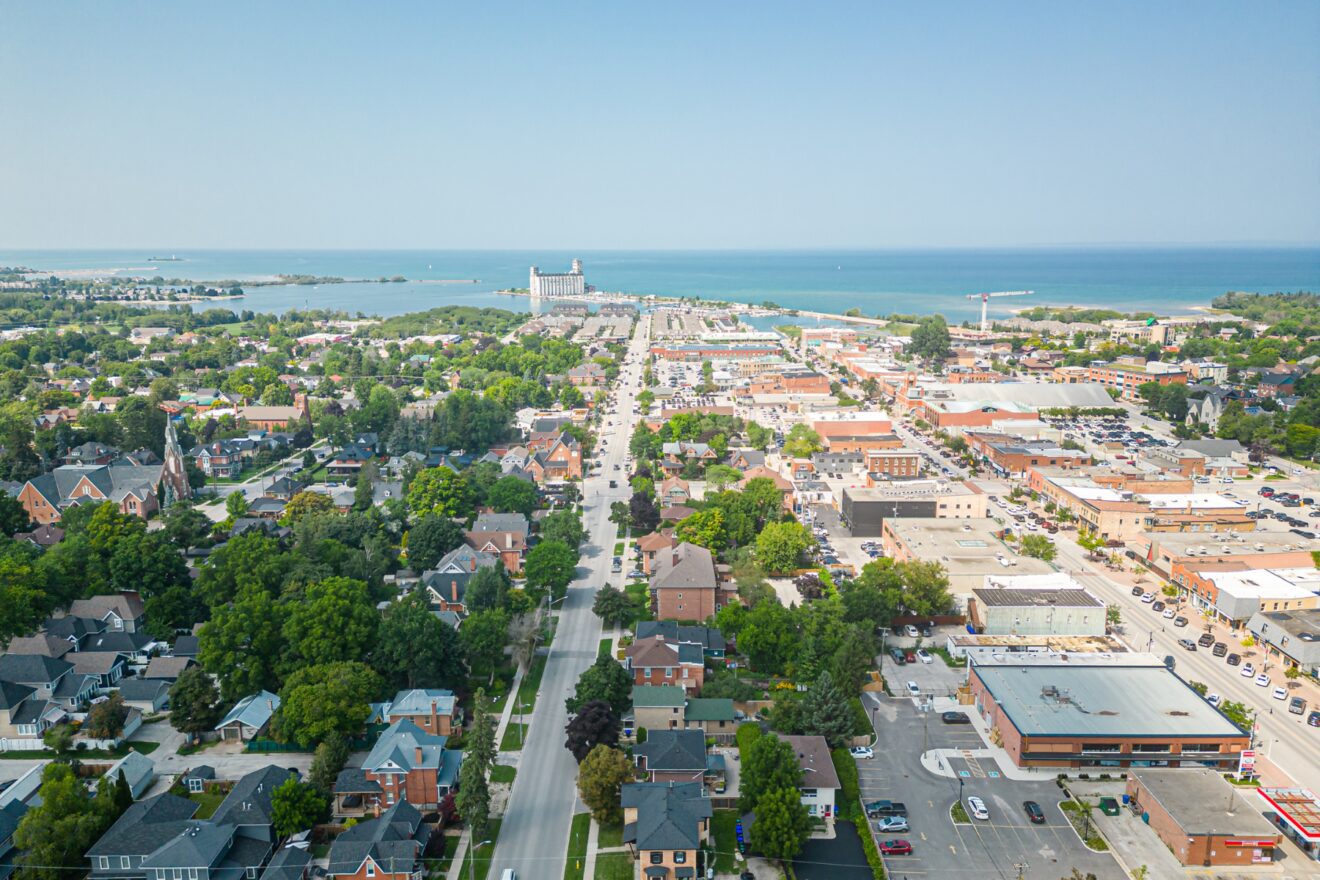
Lighthouse Point is at the west end of Collingwood, Ontario, on Georgian Bay. It is within Collingwood in Simcoe County—not the neighbouring Town of The Blue Mountains. That distinction matters when you’re checking municipal services and rental rules. [1] [3]
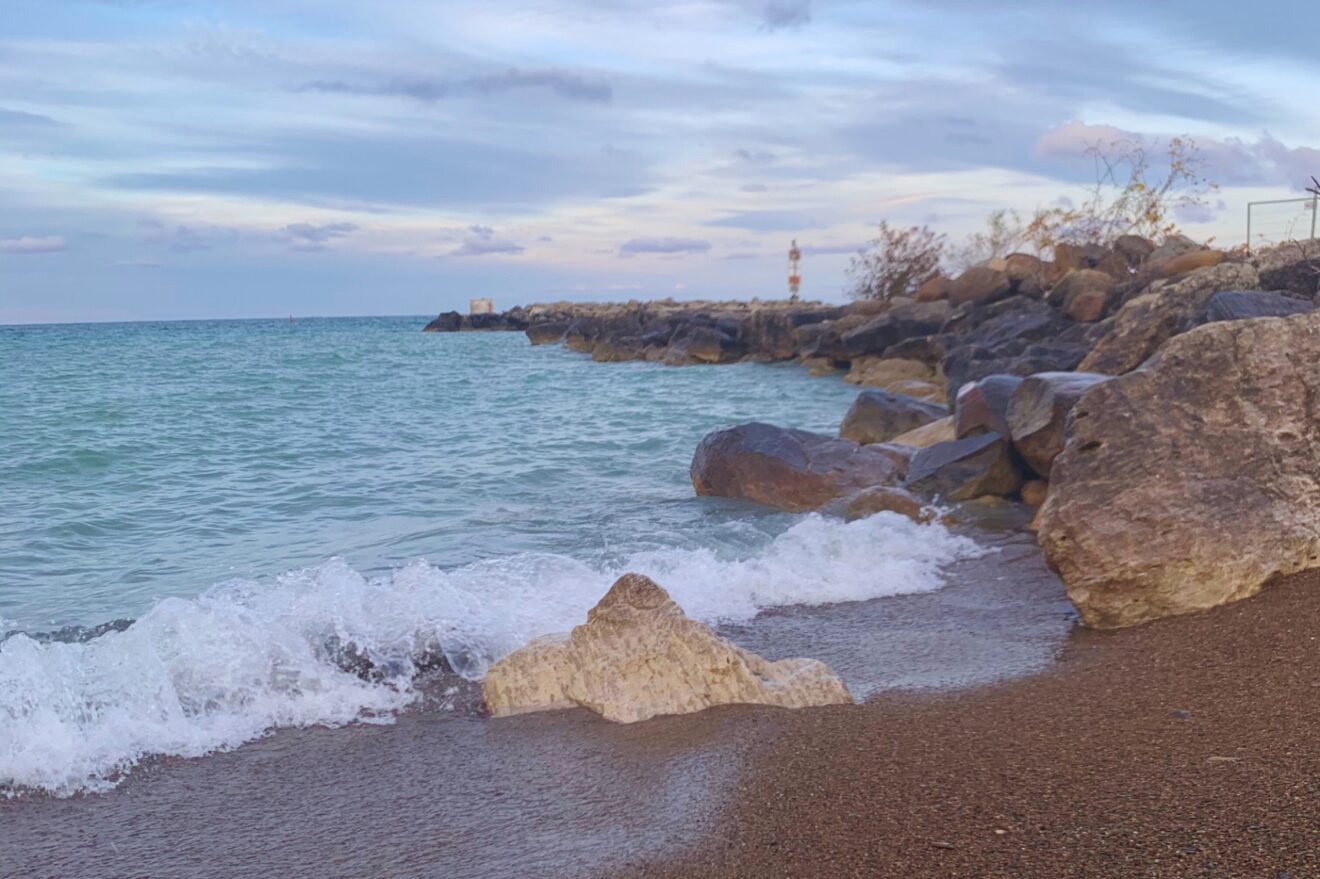
The waterfront setting and shared recreation give you reasons to enjoy the community beyond the interior of your condo. You might value a walk by the bay, time on the courts or an indoor swim as much as an extra room at home. [1]
For everyday living, consider the trips you actually make. Try your route to groceries, appointments and the places you spend time. For a second home, think about arrival-day parking, equipment storage and what you will need to arrange while you’re away. Nearby recreation is useful only if it fits your routine.
Lighthouse Point condos aren’t all the same
The community includes condo apartments and townhome-style homes, including stacked layouts. You’ll find different entry arrangements, numbers of levels and parking options. A garage, elevator, ground-floor entrance or single-level layout is something to check for the particular home, not an automatic community feature. [2]
That variety gives you room to prioritise what matters most. If stairs are a concern, look at the complete route from your parking space to the living area—not simply whether a listing calls the interior single-level. If you’re bringing bikes, skis or a kayak, work out where they can be kept and which storage arrangements are permitted.
Likewise, being in a waterfront community doesn’t mean every unit is directly waterfront or has an unobstructed bay view. Compare the actual outlook, balcony or patio, privacy and relationship to neighbouring homes.
A good shortlist can include more than one home type. Seeing how each works in person often makes your priorities much clearer.
How much are Lighthouse Point condo fees?
There isn’t one monthly condo fee for all of Lighthouse Point. The community contains multiple condominium corporations, and the unit’s own charges and obligations need to be reviewed. [2]
In Ontario, the corporation’s declaration sets the proportion each unit contributes to common expenses. That proportion may vary with unit size, but the fee also needs to be understood alongside the corporation’s budget and the services it funds. You can’t reliably predict it from bedroom count alone. [4]
Two published monthly fee examples
As property-specific observations, listing pages reviewed on November 5, 2026 showed:
- 288 Mariners Way: a one-bedroom condo with a published maintenance fee of $471.31 per month. The same-unit brokerage page explicitly labels the payment frequency as monthly. [5]
- 423 Mariners Way: a three-bedroom Garden Home with a published maintenance fee of $1,007.16 per month. Its brokerage page also explicitly identifies the fee as monthly. [6]
These are two different units and floor plans—not a community average, a fee range, or guaranteed low and high ends. They aren’t quotes for another condo or a statement that either property is available to buy.
Use them to understand why the fee belongs beside the individual listing, then confirm the current amount through its status certificate and common-expense information before purchasing. A listing summary is a starting point, not a corporation-confirmed budget for your ownership period. [7]
What do condo fees pay for?
Condo fees are shared common expenses. They fund common-element maintenance, reserve-fund contributions and services such as management and building upkeep. [4]
At Lighthouse Point, ask how the particular corporation’s fee relates to both its own property and the wider shared facilities. Confirm the services included, the relevant agreements and any separately payable charges. Don’t assume every utility, tax, marina expense or owner responsibility is included.
For the two examples above, the published inclusion fields identify common-area maintenance and insurance; the 288 Mariners Way page also identifies parking. Those labels still need to be checked against the actual documents. In particular, “insurance included” doesn’t mean you can dispense with your own condo policy. [5]
If a listing’s tax or utility wording is unclear, resolve it rather than turn it into a budget assumption. Ask for the current bills and a clear explanation of which charges the fee covers.
Are higher condo fees necessarily a bad sign?
Not on their own. A fee should be evaluated against the services, property condition and financial plan behind it.
If you will use the pools, courts and recreation spaces regularly, those facilities may have real value to you. If you aren’t likely to use them, the same obligations still matter to your budget. Owners generally pay their required share of common expenses whether or not they personally use the common elements. [14]
The other part of the comparison is future work. Reserve contributions are already a component of regular condo fees, so don’t automatically add them again as a second monthly bill. But an existing reserve fund doesn’t guarantee fees will stay unchanged or that a special assessment can never arise. [4]
A special assessment is an extra charge that can be needed to address a budget shortfall, including unforeseen repairs or litigation costs. Review the financial documents rather than assume either a low or a high fee proves the corporation is well funded. [4]
The useful question isn’t simply, “Can I find a lower fee?” It’s “What does this fee fund, and am I comfortable with the obligations behind it?”
Lighthouse Point amenities: what can you enjoy here?
Pools, fitness and community spaces
Lighthouse Point’s recreation offering includes indoor and outdoor pools, fitness facilities and community gathering spaces, along with social and games areas. [1]
For a year-round buyer, an indoor pool or exercise space may be a meaningful part of daily life. For a family or second-home buyer, shared recreation can give you more options without putting every activity inside your own home.
When touring, ask about current access arrangements and operating schedules. Think about when you would use the facilities, whether bookings are required and how guests are accommodated. The existence of a facility isn’t a promise of unrestricted access or continuous operation.
Tennis, pickleball and waterfront walks
Tennis, pickleball, walking paths and Georgian Bay access are also part of the community’s recreation setting. [1]
If courts are high on your wish list, check the booking and use rules. If you picture daily walks, try the route from the home itself. A lovely community photo doesn’t tell you how far you’ll walk from that particular entrance or whether the route suits your mobility needs.
For waterfront use, distinguish community access from private shoreline ownership. Ask which access points and storage arrangements you can use, and what rules apply. Don’t assume a kayak rack, launching arrangement or beach right comes with every unit simply because the community is beside the bay.
Shared amenities still have an ownership cost
Shared facilities can reduce the need to own and maintain comparable features privately. They don’t make those features cost-free.
Read the fee and shared-facility information alongside the amenity list. That helps you judge whether the package fits both your lifestyle and your budget, rather than be surprised by its ongoing obligations after closing.
The marina: a separate question from buying a condo
A marina slip does not automatically come with every Lighthouse Point condo. Some properties are marketed with a slip, while the marina’s additional clubhouse and outdoor pool are associated with slip-holder access rather than a universal right for every resident. [2] [9]
If boating is part of your plan, confirm the slip or marina right early in the search. If it isn’t, don’t let a marina photograph make you assume you’re buying facilities or responsibilities that haven’t been explained.
If a slip is advertised, what should you check?
Ask your lawyer to confirm exactly what is included in the agreement and how the legal right is held and transferred. Is there a separately registered interest, a right attached to the residential unit, or another documented arrangement? Those are questions for the actual title and agreements—not conclusions to draw from the word “included” in a listing.
Then confirm the identified berth, whether it suits your boat, and any applicable operating costs, insurance requirements or capital obligations. Ask about the marina’s use rules and the access attached to any separate clubhouse or pool.
Don’t assume the residential condo fee pays every marina expense, or that every marina-related cost falls exclusively on slip holders. The relevant agreements need to establish the allocation.
The goal is to know what you are buying, what you can use and what you will be responsible for—not simply that the community has a marina.
What else belongs in your ownership budget?
The monthly condo fee is only one part of the commitment. Build the rest of the budget from the specific home.
Include your financing payment, actual property taxes, owner insurance and utilities or communications services that aren’t included. Add an appropriate allowance for the appliances, interior care and replacements that remain yours. If a marina interest is part of the purchase, confirm its costs separately rather than assume them away.
Use the actual property-tax information, and confirm whether taxes are already being collected through your lender before adding another payment line. Collingwood provides its own tax billing and payment arrangements; an ambiguous listing label isn’t evidence that the municipality’s bill is included in condo fees. [13]
Insurance and maintenance responsibilities
The corporation’s insurance generally covers the defined standard unit and common elements, not all of your belongings or improvements. Review the standard-unit definition, deductible provisions and your intended occupancy with an insurance professional. For a second home or any permitted rental use, describe that use accurately when obtaining coverage. [10]
Maintenance is also document-dependent. Generally the corporation maintains common elements and the owner maintains the unit, but the governing documents can alter responsibilities. Balconies, terraces and other exclusive-use areas deserve their own check. Condo ownership doesn’t remove every repair or replacement from your to-do list. [11]
Keep a personal contingency cushion as well. It is different from the corporation’s reserve fund and can help you handle your own unexpected costs without confusing them with another mandatory condo contribution.
Can you rent out a Lighthouse Point condo?
Don’t rely on the community’s four-season appeal as proof of rental permission. Municipal eligibility and condominium restrictions are separate checks.
Collingwood defines short-term accommodation as commercial occupancy for 28 consecutive days or less. Its published residential licensing routes focus on single-detached principal residences or an additional unit on the same lot. Those routes do not establish approval for a standalone recreational condo at Lighthouse Point simply because the owner applies. [12]
Before including rental income in your purchase budget, obtain the Town’s confirmation for the actual property and proposed use. Then have the applicable condominium rental rules and other obligations reviewed separately. Don’t import the neighbouring Town of The Blue Mountains’ resort-accommodation framework into a Collingwood purchase.
Longer or ski-season leases need their own review, too. Check permitted duration, tenant and guest requirements, facility use and your insurance arrangements. A previous rental advertisement isn’t a substitute for current permission, and this guide doesn’t assert a single minimum lease term for every Lighthouse Point corporation.
If you mainly want a place for your own visits, choosing around that use can make the decision clearer. If rentals are essential to affordability, settle the permissions before counting the income.
Which buyers should consider Lighthouse Point?
First-time buyers
If a condo is your first purchase, compare the complete ownership budget rather than the asking price alone. A smaller unit may meet your space needs, but that doesn’t make its fees or future obligations insignificant.
Look for a layout and financial commitment you can live with comfortably. Understand the documents before assuming shared amenities make the home an easier or cheaper purchase than another option.
Growing families
For a family, shared recreation and a larger unit can be appealing. Check the daily practicalities: bedrooms, storage, stairs, parking, outdoor space and how guests use the facilities.
Make sure the home works during an ordinary school week as well as a weekend away. Confirm the relevant school and transportation arrangements for the exact address rather than assume proximity establishes assignment.
Four-season retreats and second properties
Lighthouse Point may suit you if your visits include time by the bay and use of community recreation. Consider the storage you need, the tasks that remain yours and any requirements when the home is unoccupied.
Shared management doesn’t necessarily mean someone checks the inside of your unit, handles every maintenance issue or arranges your arrival. Ask what is provided, then plan for what isn’t.
Downsizers and luxury buyers
For downsizing, prioritise the real route through the home and the responsibilities you will retain. Single-level living, manageable storage and convenient parking may matter more than an extra bedroom.
For a luxury search, focus on the individual unit’s outlook, layout, finishes, privacy and any verified marina interest. Not every condo in a waterfront community is waterfront, and not every renovated home has the same legal rights or maintenance obligations.
What to review before you buy
Your lawyer’s review of the current status certificate and supporting package is a key part of a resale condo purchase. It can include the declaration, by-laws and rules, budget, audited statements, reserve information, disclosed fee increases and assessments, insurance, arrears and litigation. [7]
For Lighthouse Point, make sure the review also addresses the unit’s relationship to relevant shared facilities and any marina rights. Useful questions include:
- What is the current monthly fee, and what is included or payable separately?
- Are any increases, assessments or financial concerns disclosed?
- What parking, garage, storage and outdoor-space rights are part of the purchase?
- Which amenities can owners, tenants and guests use, and under what rules?
- If a slip is included, what exactly transfers and what obligations come with it?
- What restrictions apply to pets, renovations, rentals and use while you’re away?
These questions aren’t about making condo ownership complicated. They’re about making it understandable before you commit.
What to notice when you tour a unit
Start outside. Walk from the parking space to the entrance, notice the stairs and check the route to the facilities you expect to use. Look at the home’s outlook in person rather than rely on a wide-angle photograph.
Inside, picture both a typical weekday and a busy visit with guests. Can you store your equipment? Does the living area fit your plans? Are there appliances or finishes likely to need attention soon?
Ask to understand the community rules as well as the home. Pets, guest parking, amenity bookings and renovation approvals can affect everyday life even when they don’t change the floor plan.
A condo you enjoy touring should also be one you understand how to own.
Frequently asked questions
Are Lighthouse Point condo fees the same for every home?
No. Charges and inclusions are unit- and corporation-specific. The two listing observations in this guide illustrate differences; they aren’t a community-wide fee range or a quote for your purchase. [2] [6]
Do fees include every ownership cost?
Don’t assume so. Confirm the exact inclusions and separately payable taxes, owner insurance, utilities, maintenance and any marina obligations. Regular fees include reserve contributions, but special assessments or other charges may still arise. [4]
Does every condo come with a boat slip?
No. Verify whether a slip is included and have its legal form, transfer conditions, access rights and costs reviewed. The marina’s separate clubhouse and pool should not be assumed to be part of every condo purchase. [2] [9]
Is Lighthouse Point suitable for year-round living?
It is worth considering for a year-round home, with a variety of layouts and an indoor recreation offering. Your best fit depends on the unit’s access, space, costs and how the location works for your routine—not just its holiday appeal. [1]
Is condo living maintenance-free?
No. Shared upkeep can reduce some responsibilities, but owners still have obligations for their units and potentially other areas under the governing documents. Check those boundaries before buying. [11]
Can I assume a Lighthouse Point condo is an Airbnb investment?
No. Confirm current Collingwood eligibility and the applicable condominium restrictions before relying on short-term rental income. Location and a rental advertisement don’t establish permission. [12]
Find the Lighthouse Point condo that fits your life
Lighthouse Point offers more than one way to enjoy condominium living by Georgian Bay. The best purchase for you is the home whose layout, fees, facilities and responsibilities fit the way you plan to use it.
Get in touch to discuss your Lighthouse Point condo search. We can help you build a focused shortlist and identify the documents and questions to work through with your lawyer and other advisers before buying.
For a closer look at budgeting, read What Does It Really Cost to Own a Condo in Collingwood? To compare locations, explore The Best Neighbourhoods in Collingwood: A Local Buyer’s Guide, Collingwood vs. The Blue Mountains and Living in Southern Georgian Bay.
This guide provides general community and homebuying information. Listing observations are dated examples, not current corporation-confirmed fee quotes. Confirm the actual property’s charges, access rights, permitted use and legal obligations before purchasing.
Sources
- Keleher and Co — Lighthouse Point Community Guide
- Greg Syrota Team — Lighthouse Point Housing and Recreation Guide
- County of Simcoe — Municipal Partners
- Condominium Authority of Ontario — Common Expenses Fees
- Royal LePage Locations North — 288 Mariners Way Published Monthly Fee
- Brittain Real Estate — 423 Mariners Way Published Monthly Fee
- Condominium Authority of Ontario — Status Certificates
- Lighthouse Point — Community Fact Sheet Republished in 2023
- Jennifer Jones Team — Suncrest Circle Listing and Marina Slip-Holder Facilities
- Condominium Authority of Ontario — Condo Insurance
- Condominium Authority of Ontario — Repairs and Maintenance
- Town of Collingwood — Short-Term Accommodation Licensing
- Town of Collingwood — Property Taxes
- Condominium Authority of Ontario — Buying a Resale Condo