




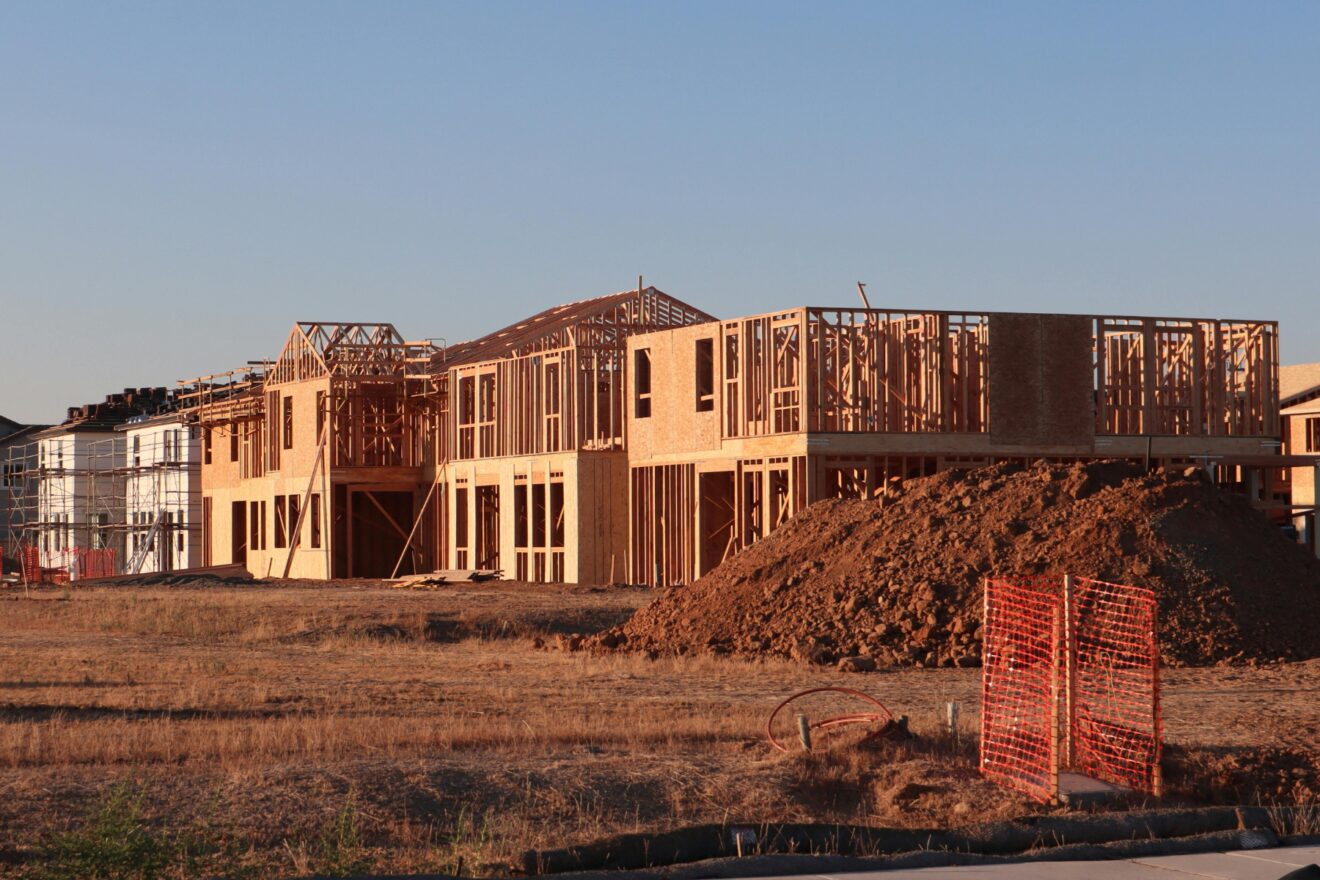
If you have been waiting for a genuine shift in housing affordability—one that moves beyond flashy headlines to shave actual dollars off the cost of building homes—this might be the moment. In a rare display of alignment, Ontario Premier Doug Ford and Mark Carney have announced a sweeping partnership aimed at slashing development costs and accelerating housing supply across the province. Unlike many policy announcements, this initiative carries immediate and tangible implications for buyers, sellers, investors, and developers alike.
The Headline: Up to $200,000 Off the Cost of a New Home
The federal and provincial governments are collaborating to reduce taxes, fees, and development charges tied to new housing construction. This coordinated effort could yield potential savings of up to $200,000 per home. Furthermore, they are backing this policy with substantial financial support: an $8.8 billion total investment into housing infrastructure. Split evenly between the federal and provincial governments, these funds are specifically targeted at roads, water systems, and the essential services required to support new housing developments.
This matters immensely because one of the most significant barriers to building housing in Ontario is not merely a shortage of land or labor—it is the prohibitive cost of getting a project approved and serviced.
The Real Lever: Slashing Development Charges
The most crucial element of this announcement is often the one most overlooked: the substantial reduction in development charges (DCs). In certain municipalities, these charges could be cut by up to 50% over the next three years. By effectively subsidizing infrastructure, the government is enabling municipalities to charge builders significantly less.
This represents a direct strike against one of the most controversial and burdensome costs in Ontario real estate. In many markets, including the Greater Toronto Area (GTA) and Simcoe County, development charges can easily exceed $80,000 to $150,000 per unit, and sometimes much more. Reducing these upfront costs fundamentally alters the financial feasibility of construction projects.
Why This Is Happening Now
Ontario has committed to building 1.5 million homes by 2031, a target it is currently struggling to meet. At the same time, population growth driven by immigration and interprovincial migration is surging. However, construction starts have slowed considerably due to elevated financing costs, leading developers to shelve projects because the numbers simply no longer “pencil out.” This new policy is explicitly designed to fix that math.
What This Means for the Real Estate Market
1. Developers May Start Building Again
Projects that were previously deemed unviable may now move forward, be repriced, or be redesigned for faster approvals. This revitalization is especially relevant for mid-rise and high-density projects, as well as suburban expansion markets like Simcoe, Durham, and Niagara.
2. Pre-Construction Could Get a Second Wind
Lower building costs create more room for competitive pricing, buyer incentives, and investor-friendly structures. However, it is important to note a key nuance: while this will not immediately lower resale home prices, it serves to prevent future prices from escalating even faster.
3. Municipal Power Is Being Quietly Rebalanced
Traditionally, municipalities have relied heavily on development charges to fund their infrastructure. With the federal and provincial governments stepping in to provide funding, municipalities may lose some of their pricing power. Ultimately, this structural shift in how housing is approved and funded could lead to faster approval processes.
4. Land Values Could Rise
In a counterintuitive but vital twist, if it becomes cheaper to build, the underlying land becomes more valuable. Developers will have the capacity to pay more for sites, increasing competition for shovel-ready land. This is a trend that investors should monitor closely.
The Big Question: Will Buyers Actually Benefit?
This is where theory meets reality. In theory, lower development costs should translate directly to lower home prices. In reality, the savings will likely be distributed among builders, landowners, and buyers. The final outcome for consumers will depend heavily on market competition, prevailing interest rates, and available inventory levels. While this policy undoubtedly aids affordability, it is not a silver bullet.
My Take: What You Should Be Watching
This represents one of the most meaningful housing policy shifts in years. It is significant not because it is flashy, but because it targets the core issue: the cost to build has simply been too high. Moving forward, industry stakeholders should watch which municipalities actively adopt the reductions, whether approval timelines actually accelerate, how quickly developers react, and whether pre-construction pricing adjusts accordingly.
Bottom Line
This is not merely a policy announcement; it is a fundamental reset of the development equation in Ontario. If successful, more homes will be built, supply will increase, and price growth will stabilize. If it fails, we will find ourselves back at square one—just with better headlines.
If you are buying, investing, or developing in Ontario right now, this matters. The question is no longer just, “Where is the market today?” It is now, “What will the market look like once this new cost structure fully kicks in?”